For Amazon sellers, reviews play a vital role in shaping product reputation, influencing sales, and building customer trust. One key distinction buyers and sellers often notice is whether a review is marked as “Verified Purchase” or “Unverified Purchase.”
Whether you’re a savvy shopper looking to make informed decisions or a seller aiming to boost your product’s credibility, understanding Amazon’s verification process is key. Let’s unravel the mystery behind these labels and why they play a crucial role in the online shopping experience.
What is a Verified Purchase on Amazon?
A “Verified Purchase” indicates that Amazon has confirmed the reviewer purchased the product directly on the platform and did not receive a deep discount (typically 50% or more) that would disqualify the badge.
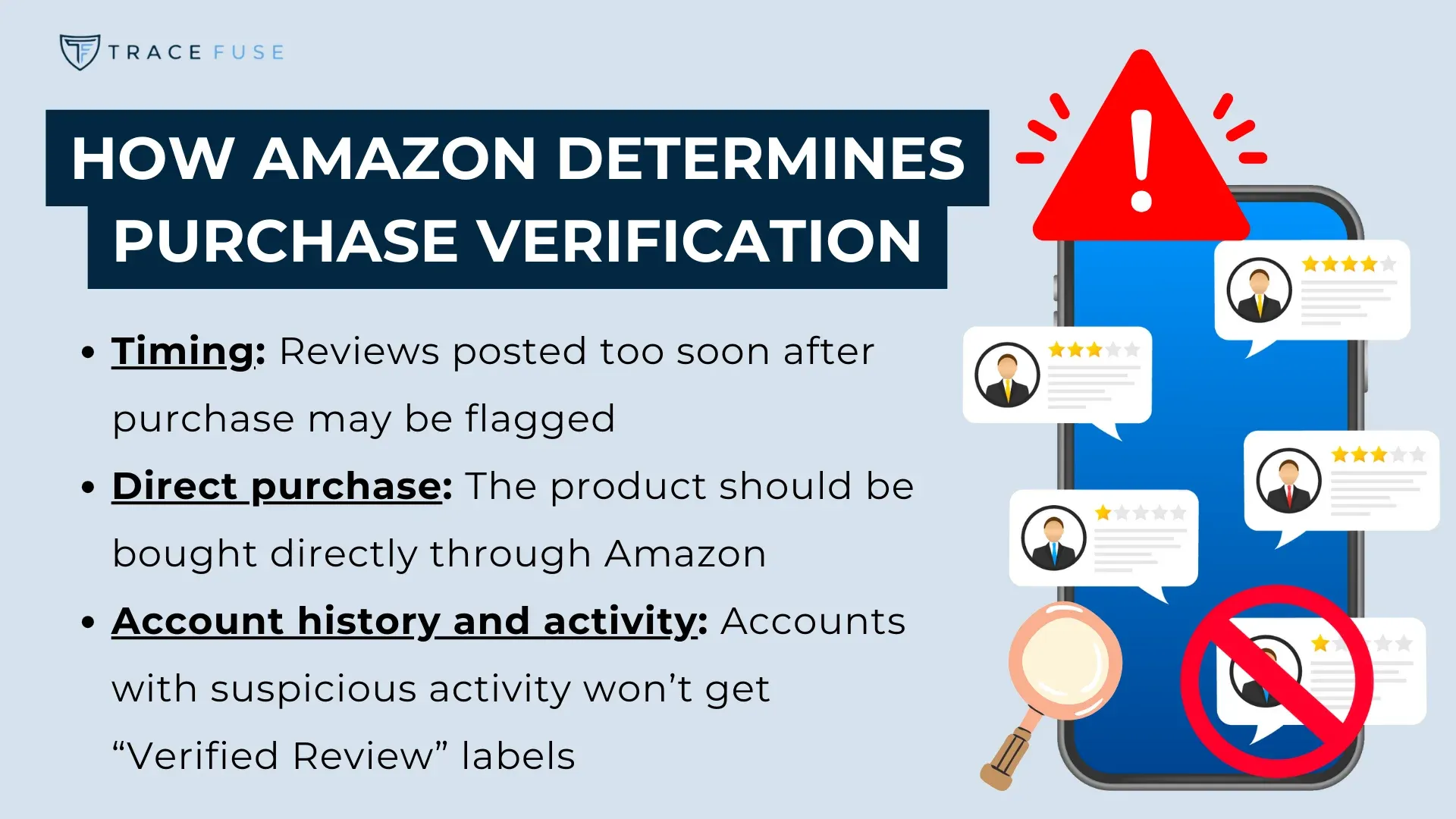
Here’s how Amazon determines verification in 2026:
- 2026 Variation Split: As of 2026, a “Verified Purchase” badge is now tied strictly to the specific model or version purchased. If a customer reviews a “Pro” model but bought the “Standard” one, the review may lose its verified status or be moved to the correct product page.
- Transaction Integrity: The purchase must be linked to the same account leaving the review.
- Price Threshold: If a customer uses a high-value coupon or an external rebate, Amazon may withhold the badge to prevent “incentivized” feedback loops.
Gemini said
Understanding the difference between Verified and Unverified purchases is critical in 2026, especially as Amazon has recently overhauled how these reviews impact a product’s overall visibility and star rating.
This guide clarifies these labels and highlights the major February 2026 policy shift regarding variation reviews.
What is a Verified Purchase on Amazon?
A “Verified Purchase” indicates that Amazon has confirmed the reviewer purchased the product directly on the platform and did not receive a deep discount (typically 50% or more) that would disqualify the badge.
How Amazon Determines Verification in 2026
- Transaction Integrity: The purchase must be linked to the same account leaving the review.
- Price Threshold: If a customer uses a high-value coupon or an external rebate, Amazon may withhold the badge to prevent “incentivized” feedback loops.
- 2026 Variation Split: As of February 12, 2026, a “Verified Purchase” badge is now tied strictly to the specific model or version purchased. If a customer reviews a “Pro” model but bought the “Standard” one, the review may lose its verified status or be moved to the correct product page.
The “Review Separation” Update
For years, sellers grouped different products together to “pool” verified reviews. This changed in early 2026 to increase buyer trust:
- Functionally Different Items: If a listing has variations like “16GB RAM” vs. “32GB RAM” or “Vanilla” vs. “Chocolate,” Amazon no longer shares verified reviews between them.
- Minor Variations: Reviews only remain “shared” (aggregated) for minor aesthetic differences like color, size, or pattern.
- Impact: A product might have 500 reviews on the parent listing but only 5 “Verified Purchase” reviews for the specific color or size you are looking at.
Importance of Verification for Buyers
Amazon “Verified Purchase” reviews are invaluable for buyers, helping them make confident purchasing decisions. Here’s why the label “Verified Purchase” on an Amazon review makes such a difference:
- Identifies Authentic Reviews: The “Verified Purchase” label confirms the reviewer genuinely bought the product through Amazon, reducing the likelihood of fake or incentivized feedback.
- Filters Genuine User Experiences: A “Verified Purchase” review on Amazon is more likely to reflect the actual performance and quality of the product, as it comes from a customer who’s actually used it.
- Builds Trust in Product Quality: Products with numerous verified reviews are perceived as reliable, fostering trust among potential buyers.
- Assures Item Matches Description: Verified purchase reviews on Amazon often comment on how well the product matches its description, helping buyers understand if it meets their needs.
Importance of Verification for Sellers
Verified purchase reviews are equally important for sellers, contributing significantly to a product’s success on Amazon. Here’s why sellers are keen on getting more of these types of reviews:
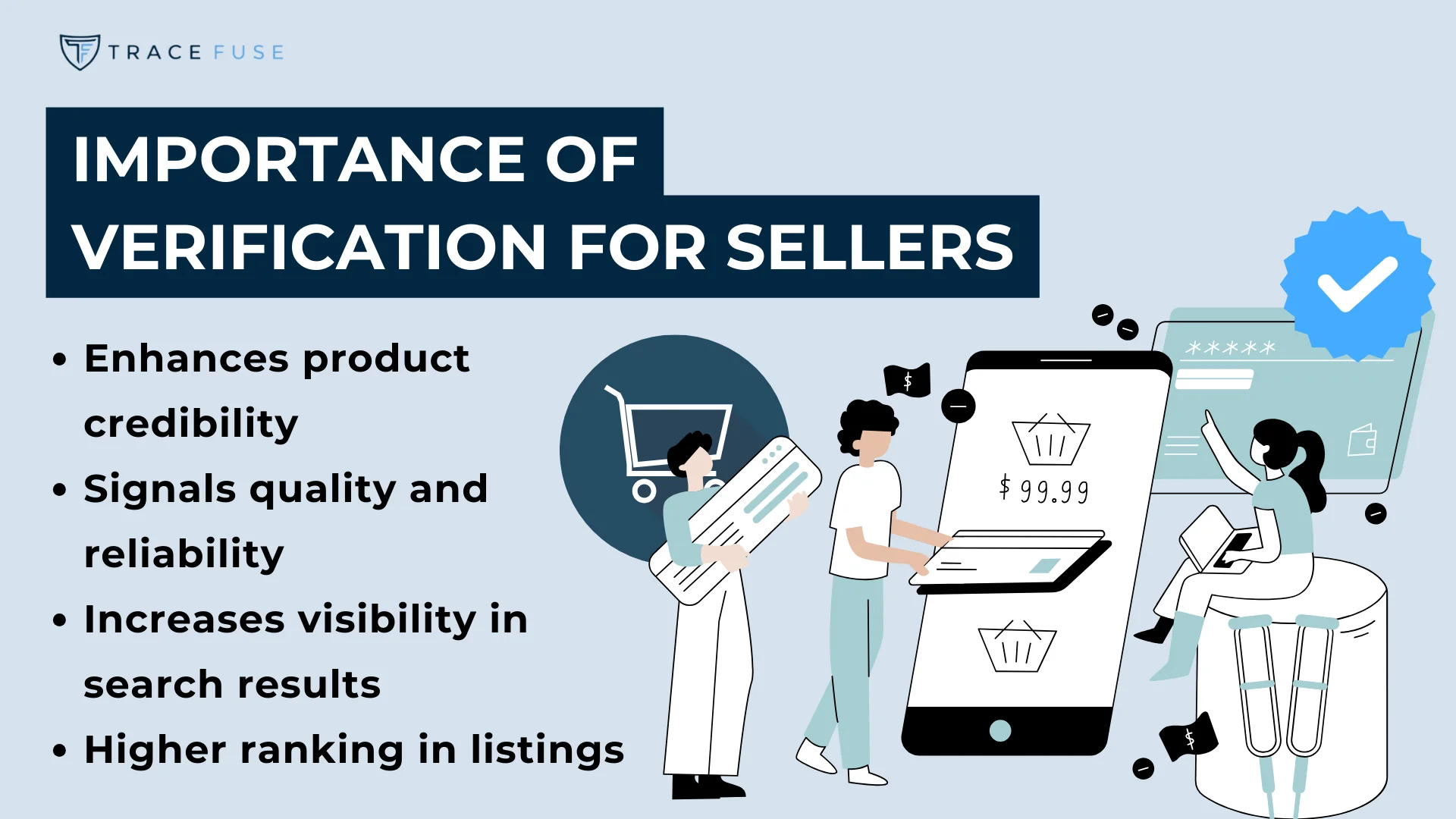
Enhances Product Credibility
A high number of verified reviews demonstrates that real customers are buying and using the product. This validation builds trust among potential buyers, as they are more likely to trust feedback from verified purchases over unverified ones. Credibility is essential in a competitive marketplace like Amazon, where buyers often rely on reviews to differentiate between similar products.
When potential customers see a product with numerous verified reviews, it reassures them that the product is the real deal. This makes them more likely to choose it over competitors with fewer or no verified reviews.
Signals Quality and Reliability
Verified reviews act as a seal of authenticity, indicating that the product delivers on its promises. Products with positive, verified reviews show potential buyers that the product performs as advertised, reducing the perception of risk associated with a purchase.
Additionally, verified reviews help sellers address the skepticism some buyers may have about online shopping. Knowing that the feedback is from actual buyers reassures customers, increasing their confidence in the product.
Increases Visibility in Search Results
Amazon’s search algorithm heavily favors products with verified reviews. Verified reviews not only contribute to a product’s star rating but also signal to Amazon that the product is popular and relevant to shoppers. As a result, products with more verified reviews often appear higher in search results, leading to increased visibility.
Greater visibility in search results translates to more clicks, higher traffic, and ultimately, more sales. This cycle of visibility and credibility creates a positive feedback loop, further solidifying a product’s position in the marketplace.
Higher Ranking in Listings
Getting more verified reviews can also boost a product’s ranking within Amazon’s product listings. Products with verified reviews are more likely to be featured in prominent areas like “Best Seller” and “Amazon’s Choice” badges, both of which significantly influence buyer decisions.
Higher rankings in product listings also increase the likelihood of customers adding the product to their cart. With Amazon’s algorithm rewarding products with verified reviews, sellers can achieve better conversions and overall success by encouraging verified feedback.
What is an Unverified Purchase?
An unverified purchase indicates that the reviewer did not buy the product through Amazon, or the transaction doesn’t meet the criteria for verification.
Here’s why unverified purchases exist on the platform:
- External Purchases: The reviewer may have bought the item at a local store or another website but wanted to share their experience on Amazon.
- Gifts: If someone received the product as a gift, they can still review it, but it will be marked as unverified.
- Review Limits: Amazon now limits the number of unverified reviews a customer can post per week to prevent bot-driven spam attacks.
While unverified reviews on Amazon can still provide useful insights, they lack the assurance of authenticity associated with verified reviews.
Impact of Unverified Reviews on Perception
Unverified reviews can impact how potential buyers perceive a product, often with mixed results such as:
- Potential Skepticism Towards Quality: Buyers may question the authenticity of unverified reviews, especially if they are overly positive or negative.
- Questions of Authenticity of Feedback: Unverified reviews are more likely to be seen as biased or unreliable, which can diminish their influence.
- Less Influence on Buying Decisions: Potential buyers often prioritize verified reviews when making purchasing decisions, reducing the weight of unverified feedback.
- May Deter Potential Buyers: A high number of unverified reviews relative to verified ones can raise red flags for shoppers, deterring them from completing their purchase.
Conclusion
The “Verified Purchase” badge remains the gold standard for authenticity. However, with the updates to Amazon’s product variation policy, you must pay closer attention to which variation has those verified reviews. A 5-star rating for a “Red Shirt” no longer guarantees the “Blue Shirt” is made of the same quality material.
Sellers who strictly follow Amazon’s policies and promote verified reviews can significantly enhance product credibility, visibility, and sales. By focusing on delivering value and encouraging honest feedback, you can thrive in Amazon’s competitive marketplace!